内容
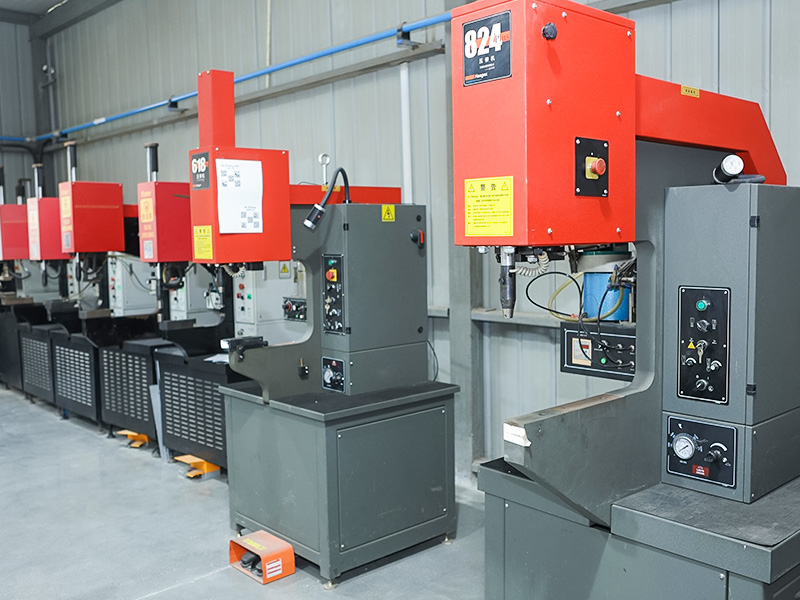
的 液压铆接机 铆接机作为一种专业性很强的设备,广泛应用于各种金属零件的铆接,发挥着至关重要的作用,特别是在航空航天、汽车、家电、机械制造等行业。与传统的铆接设备相比,液压铆接机以其性能稳定、压力输出强大、操作灵活等特点,成为现代制造业中不可或缺的核心设备。
的 hydraulic press riveting machine provides powerful pressure output through a hydraulic system to achieve riveting of workpieces. During operation, the hydraulic system transmits hydraulic oil to the hydraulic cylinder through an oil pump, causing the piston to generate pressure, which then pushes the riveting head into contact with the workpiece to complete the riveting operation. The working principle of the hydraulic press riveting machine is simple and efficient, and it can adapt to the riveting needs of different sizes and materials of parts by adjusting the pressure and speed of the hydraulic system.
的 core advantage of the hydraulic press riveting machine lies in its hydraulic system's ability to provide uniform and stable pressure, which is crucial for riveting operations requiring high precision and quality. Compared with traditional mechanical riveting equipment, the hydraulic press riveting machine can complete high-quality riveting operations with lower power consumption, effectively reducing production costs and improving production efficiency.
的 hydraulic press riveting machine is widely used in multiple industries, especially in manufacturing industries that require high-precision, high-strength connections, where its importance cannot be overlooked.
在汽车制造中,液压压铆机主要用于车身零部件的铆接,如汽车门、窗框、底盘部件的连接等。由于车身结构对强度和安全性要求较高,液压铆接机可以提供精确的铆接力,保证零件的牢固性和稳定性。
的 application of hydraulic press riveting machines in the aerospace field is particularly important, especially in the riveting process of aircraft components. Due to the complex structure of aircraft and the extremely high strength requirements, the hydraulic press riveting machine ensures that every connection point meets aerospace standards through precise pressure control and efficient operation.
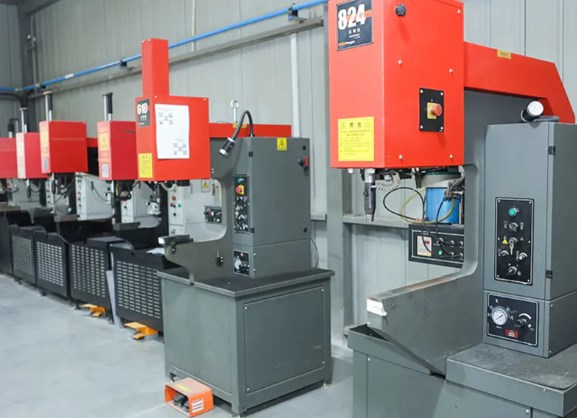
在家电行业,液压铆接机常用于各种金属部件的组装,如冰箱、洗衣机、空调等产品的外壳、结构件的铆接。液压铆接机可以适应大规模生产并保持产品一致性,使其成为家电制造中的重要工具。
在机械设备的装配过程中,液压铆接机用于连接各种金属部件,特别是需要高压和精确定位的铆接作业。液压铆接机在这些应用中展示了其强大的优势。它们可以在高负载条件下稳定工作,保证设备的高强度连接。
与传统的机械铆接设备相比,液压铆接机具有几个显着的优势,这也是其在许多行业得到广泛应用的原因。
液压铆接机可以在更短的时间内完成铆接作业,适合大规模生产线的要求。由于液压系统的高效率,液压铆接机可以在短时间内提供强大的压力,从而提高生产效率,减少生产周期。
的 pressure control of the hydraulic system is precise, enabling precise riveting. Even when riveting weak or small parts, the hydraulic riveting machine can ensure uniform pressure transmission, avoiding problems such as uneven riveting and missed rivets that may occur with traditional mechanical equipment.
液压铆接机适应性强。液压系统的压力和速度可根据不同部件的尺寸、材质、铆接要求进行调节,满足不同工艺的需要。无论是大规模批量生产,还是定制小批量生产,液压铆接机都能轻松应对。
与传统机械铆接设备相比,液压铆接机具有更高的能源效率。它们可以用较低的动力消耗完成较高强度的铆接任务,降低能源消耗。同时,液压铆接机噪音较低,对环境影响较小,满足现代制造业的环保要求。
虽然液压铆接机有很多优点,但在长期使用过程中仍然需要定期维护,以保证其高效稳定的运行。常见的维护问题主要有以下几个方面:
液压铆接机在长期使用过程中,液压系统可能会出现漏油现象。由于密封件老化或损坏,可能会出现泄漏,导致液体流失,影响机器的正常运行。针对这一问题,定期检查液压系统的密封件,及时更换老化或损坏的部件,可以有效防止泄漏。
液压系统压力波动异常会导致铆接效果不稳定,影响产品质量。这可能是由于液压油质量差或液压泵、压力阀等部件故障造成的。定期更换液压油,保持其清洁度,检查液压泵、压力阀等关键部件,可以有效解决这些问题。
液压铆接机长期运行会导致一些机械部件的磨损,特别是铆头、活塞、活塞杆。这些磨损部件需要定期检查和更换或维修,以保持设备的精度和运行稳定性。
液压铆接机中的电气系统故障可能会导致设备无法启动或正常运行。常见问题包括电气元件老化和接线松动。定期检查电气系统,保证接线接触良好,保持电气元件的工作状态,有助于减少设备故障。
的 pressure control of the hydraulic riveting machine is very accurate. Through the adjustment of the hydraulic system, users can adjust the required pressure according to different riveting needs, ensuring that each riveting operation meets precise standards.
的 operation of the hydraulic riveting machine is relatively simple. Many devices are equipped with automated control systems, allowing users to make simple settings according to process requirements. Even for more complex riveting tasks, operators can quickly learn the operation after some basic training.
的 maintenance costs of the hydraulic riveting machine are relatively low. As long as wear parts are regularly inspected and replaced, and the normal operation of the hydraulic and electrical systems is ensured, the service life of the equipment can be effectively extended, reducing maintenance costs.











 +86-13771171111 +86-13338110517

 English
 中文简体
中文简体 日本語
日本語 Deutsch
 Español
 Bahasa Melayu